Need home stump grinding in Lansdale?
Describe your tree, ask a question or request an estimate. A provider from our network can follow up with a written quote. No obligation.
No obligation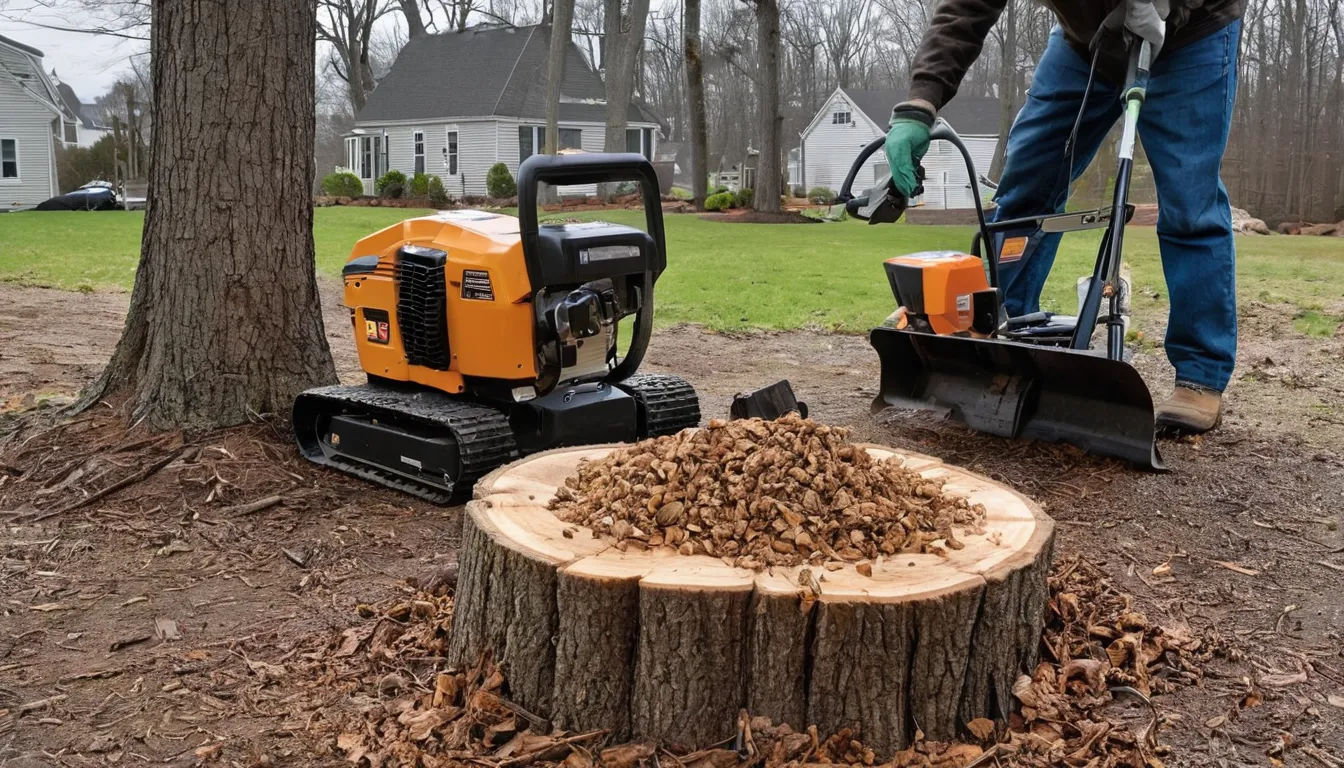
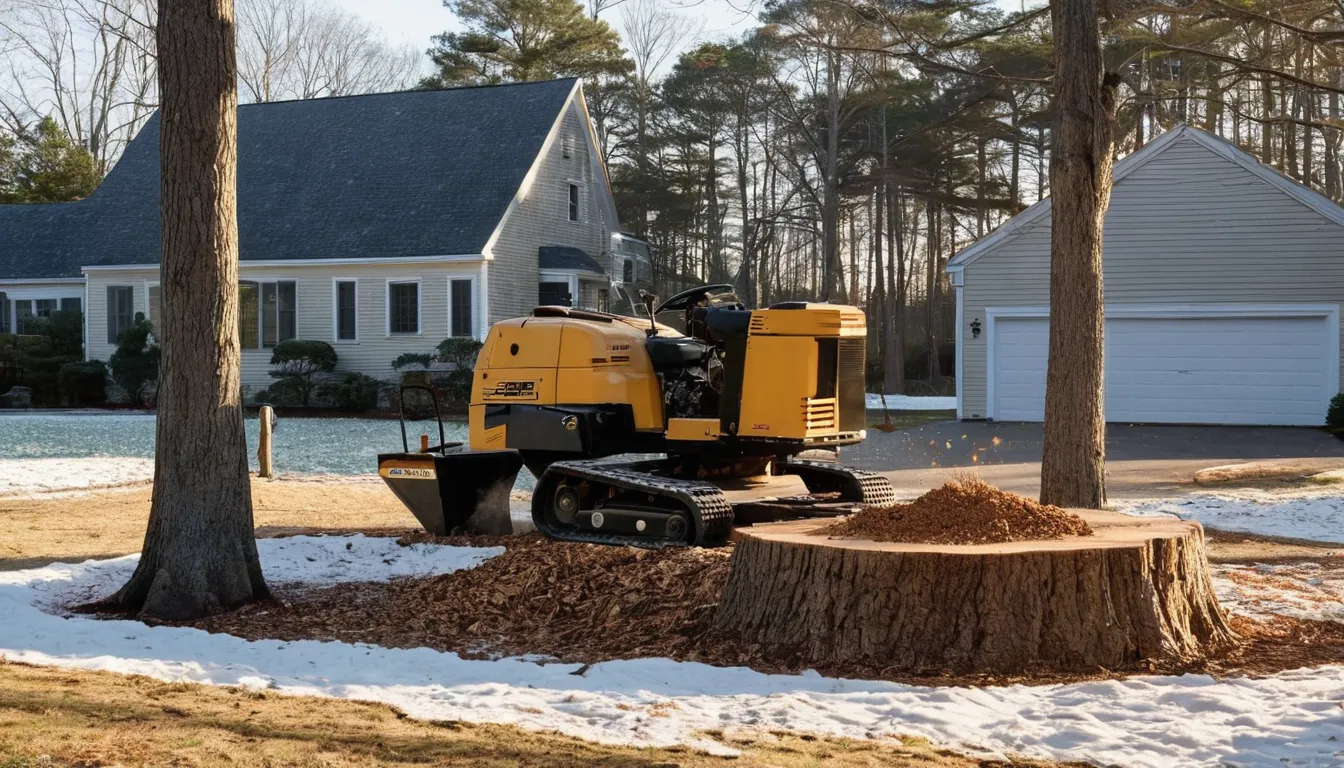
A stump looks harmless until you trip on it, bend a mower blade on it, or watch new shoots crawl up from its roots. Grinding is the usual fix. A provider runs a machine with a spinning cutter wheel that chews the stump into chips, a few inches to a foot or more below the soil.
Improvementsbelieves Tree Service is a referral service. We do not grind stumps. We connect homeowners in Lansdale and the Lansdale area with independent providers in our network. This page shows what you can handle yourself, what drives the price, and how to read a written quote. Compare, then decide. There is no obligation to hire anyone.
You can cut a stump low with a saw. You can dig around it. But the wood and roots stay put for years. Grinding is the job most homeowners hand to a pro, because the machine is heavy and the cutter wheel is dangerous.
A stump hides in tall grass. Kids, pets and mower blades find it first. One bad hit can hurt a person or wreck a blade.
Decaying wood draws carpenter ants, termites and fungus. In older homes with stone or block foundations, you want that stuff far from the walls.
Many species send up suckers from a stump. Roots can also push at walkways, patios and drain lines. Cold winters and freeze-thaw cycles make that heaving worse.
The provider rolls a grinder up to the stump. A toothed wheel swings side to side and shaves the wood away in layers. Most jobs go about 6 to 12 inches below grade. Deeper grinding costs more and takes longer.
What is left is a pile of wood chips mixed with soil. The roots stay in the ground and slowly rot.
It is quicker, tidier and usually cheaper. It leaves the root system in place. That is fine for grass, a garden bed or a new small tree in a different spot.
This means digging or pulling out the stump and the big roots. It costs more and leaves a big hole. Choose it if you plan to pour a slab, build a shed or put a new tree in the exact same spot.
Ask each provider to quote both. Then compare, then decide.
Stump grinding is priced by size, access and extras. Here is what moves the number:
See the cost table on this page for typical U.S. ranges. Your local quote may differ.
A number said over the phone can shift on the day. A written quote lists the stump count, the depth, the chip cleanup and the total. Know your line: if a cost is not on paper, ask for it to be added.
You can do the prep. Mow the grass short. Rake away rocks and loose debris. Measure each stump. Take photos from two sides. Mark any buried items you know about, like a dog fence or sprinkler head.
Stop there. Do not rent a grinder if you have never run one. Flying chips and the cutter wheel cause real injuries.
Buried gas, water, power and internet lines can sit closer to a stump than you think. Check with your local utility locating service before grinding starts. Many providers will ask if it was done.
Move cars, toys, planters and patio chairs. Unlock the gate. Tell the provider about pets, soft ground and low wires.
Grinding throws chips and soil. Cover nearby windows or vehicles if the stump is close. Ask whether cleanup is part of the quote.
Maybe the last owner had a tree cut and left the stump. Or a storm tree clearance took a trunk down and left a short base. Old stumps are often soft and punky, so they can grind faster. Rotted ones may also hide hollow spots, rocks or old roots, so tell the provider what you know.
If you have several stumps from different years, ask for one quote that covers all of them.
Fresh chips make good mulch for paths and beds. Keep them a few inches from your foundation. Or ask the provider to haul them off, and check the price first.
Shovel out part of the chips, add topsoil, tamp it down and sow grass seed. Expect the spot to settle over a season or two. Top it up as needed.
Pull or cut any shoots that pop up. Keep at it until the roots give up.
Ask the same list of every provider so the quotes line up.
A provider grinds the stump below grade so you can mow, plant or build over it.
Ask about grinding the thick surface roots too, so no humps are left in the lawn.
Have several stumps in the yard? Ask for one written quote that covers every stump.
Chips can stay as mulch or be hauled off. Confirm which one is in your quote.
Prices vary by stump size, access and local rates. These are typical U.S. ranges only. Get a written quote from each provider so you can compare the real numbers.
| Item | Typical range | Notes |
|---|---|---|
| Small stump (under 12 in.) | $100 – $250 | Many providers set a minimum charge |
| Medium stump (12–24 in.) | $200 – $450 | Price often runs by the inch across |
| Large stump (over 24 in.) | $400 – $1,000 | Hardwood and big roots add time |
| Extra stumps, same visit | $75 – $300 each | Often cheaper per stump than one alone |
| Chip hauling | $50 – $200 | Skip it if you want mulch |
| Full stump removal | $350 – $1,200 | Digs out the roots, leaves a hole |
Measure each stump across, note the roots, and take a few photos. This helps providers quote more accurately.
Request a callback to check provider availability, or use the request form to ask for an estimate.
Line up the written quotes side by side. Look at depth, cleanup and total.
Clear the path, confirm utility lines are marked, and let the provider run the grinder.
Providers in our network can put the stump count, depth and cleanup on paper before any work starts.
We explain what moves the price so you can spot a fair quote.
Request an estimate, compare options, then decide. There is no obligation.
Local providers do the grinding. We only make the connection.
Describe your tree, ask a question or request an estimate. A provider from our network can follow up with a written quote. No obligation.
No obligationTypical U.S. prices run about $100 to $450 for small and medium stumps, and more for big ones. Size, roots, access and minimum charges all matter, so ask for a written quote.
You can rent a grinder, but it is heavy and the cutter wheel is dangerous. Many homeowners prep the area and let a provider do the grinding. Never rush this job.
Most providers grind about 6 to 12 inches below the soil. Go deeper if you plan to plant a tree or build there. Ask for the depth in writing, since deeper grinding can cost more.
Describe your tree, ask a question or request an estimate. A provider from our network can follow up with a written quote. No obligation.
No obligation